Earlier dining window
When your schedule allows, some people prefer finishing the main meal a few hours before bed. This is a personal preference, not a rule we prescribe.
This page explores how meal timing, snack preparation, and weekly planning can fit around work, study, and family commitments. All suggestions are observational food education. We do not offer medical services, therapeutic programs, or outcome-based promises.
Upon waking
A glass of water before coffee or tea helps establish a hydration baseline. Caffeine can be enjoyed alongside food rather than on an empty stomach for those sensitive to acidity.
Within 90 minutes
Combine protein, complex carbohydrates, and a fruit or vegetable element. Examples include overnight oats with seeds, eggs on wholegrain toast with spinach, or yoghurt with muesli and berries.
Pre-departure
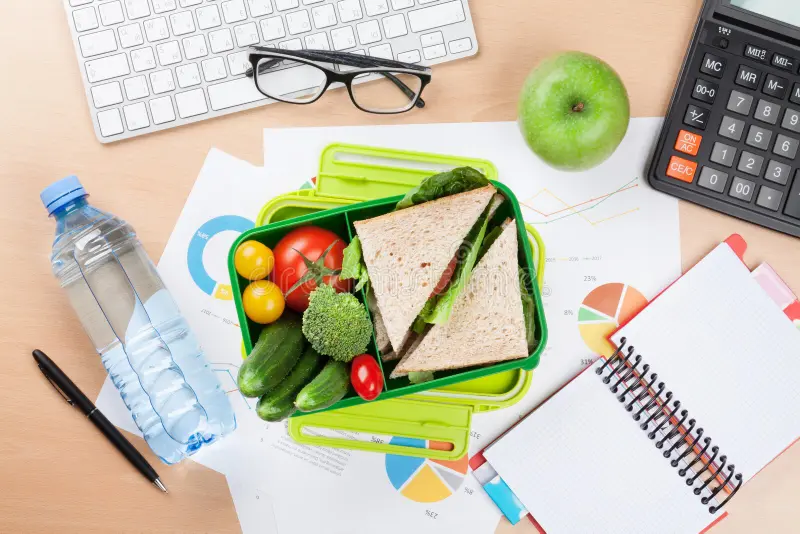
A handful of nuts, a piece of fruit, or a wholegrain cracker portion can be useful when meetings extend and you want a prepared option on hand.
Morning routines should accommodate school drop-offs, tram commutes, and early meetings common in Melbourne CBD life. Our guidance sessions help map a realistic sequence to your actual wake time.
Afternoons often involve back-to-back tasks. Our worksheets invite you to note lunch composition, hydration, and short movement breaks as part of a personal observation journal — without attributing afternoon feelings to any single food or cause.
Pair a protein or fat source with a carbohydrate for a balanced snack plate:
When your schedule allows, some people prefer finishing the main meal a few hours before bed. This is a personal preference, not a rule we prescribe.
Soups, salads with added protein, and vegetable-forward stir-fries are popular evening options in our sample meal libraries.
Herbal teas and warm milk alternatives can form part of an evening wind-down routine. Caffeine timing varies by individual — note what works for you in your journal.
Occasional late dinners are part of social life. Return to your preferred rhythm the following day without self-criticism or restrictive compensatory behaviour.
Before moderate activity, some people enjoy a small carbohydrate-rich snack. For longer sessions, a balanced preceding meal with protein and vegetables is a common approach in our sample plans.
A balanced whole-food meal within a couple of hours after activity is a practical template in our educational materials. We do not recommend specific supplements unless directed by your own health professional.
Lower activity days may require slightly smaller carbohydrate portions while maintaining protein and vegetable intake. Adjust based on hunger rather than rigid formulas.
Our reflection worksheets invite you to note evening meal timing, screen use, and wind-down habits alongside what you ate — purely as personal observation tools. We do not analyse or interpret these entries as health assessments.
If you have concerns about rest or wellbeing, please speak with a qualified health professional. Food education alone is not appropriate for addressing medical matters.
Spinach, kale, and rocket add colour and texture to salads, smoothies, or wilted side dishes in our sample meal libraries.
Salmon, sardines, and mackerel appear in our seasonal recipe frameworks as protein variety options — not as targeted recommendations.
Brown rice, quinoa, and oats are staple bases in our plate templates. Pair with protein and vegetables for a balanced meal structure.
Food examples above illustrate variety in home cooking. They are not recommendations for treating, preventing, or managing any health condition.
Use this grid as a planning reference. Mark days with busier schedules or social dining to adjust meal preparation accordingly.
Structured daily prompts, activity pairing worksheets, and weekly reflection checkpoints. Self-directed food education — no outcome promises.